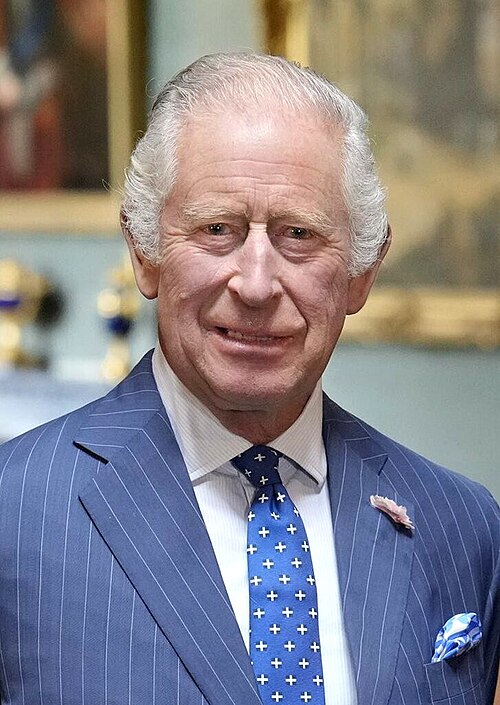
The Storm Gathering Around Re Carlo: A Monarchy Under Unprecedented Pressure
The British Monarchy, an institution steeped in centuries of tradition and steadfast stability, finds itself navigating one of its most turbulent periods under the reign of
Re Carlo III. Far from the smooth transition many hoped for following the passing of Queen Elizabeth II, King Charles' tenure has been marked by a series of unprecedented challenges that are testing the very foundations of the "Firm." From deeply personal health battles within the Royal Family to lingering scandals and shifting public perceptions, the Crown appears to be in a constant struggle to redefine its equilibrium and maintain its cherished centrality in national life.
The recent announcements of both King Charles' and Catherine, Princess of Wales', cancer diagnoses have cast a somber pall, stirring widespread public sympathy but also highlighting the vulnerability of key figures. These health crises come amidst the ongoing repercussions of Prince Harry's candid memoirs and interviews, which laid bare internal family rifts, and the enduring controversy surrounding Prince Andrew, whose past associations continue to cast a long shadow. These multifaceted issues have culminated in a situation where the monarchy’s public image and operational efficiency are under intense scrutiny, prompting questions about its future resilience and adaptability.
A Seismic Shift: The End of a 37-Year Commonwealth Day Tradition
Amidst this backdrop of royal upheaval, a particular event has sent ripples of concern through royal observers: the decision by the BBC to cancel the live television broadcast of the Commonwealth Day ceremony from Westminster Abbey. This isn't merely a programming change; it signifies the abrupt end of a 37-year tradition, a consistent fixture since 1989 that showcased the Monarchy's enduring role within the diverse family of nations. In a move that surprised many, BBC One opted instead to air an episode of "Escape to the Country," a popular lifestyle show, in its prime afternoon slot.
The BBC's justification for this significant departure was rooted in "financial difficulties," citing "difficult choices that we must make in light of our funding challenges." While budget constraints are a universal reality for public broadcasters, the timing and nature of this decision have ignited a firestorm of debate. Many royal commentators and historians view it as far more than an economic necessity; they interpret it as a stark "warning signal" – an indication that things are, indeed, "no longer as they were."
Ingrid Seward, a respected royal author, did not mince words, describing the BBC's move as "a ridiculous and frightening decision." Her concern, echoed by many, is that if even the national public broadcaster no longer deems the Commonwealth Day service worthy of live, dedicated coverage, the entire institution of the Commonwealth risks a progressive erosion of its significance. The concern extends beyond mere optics; it touches upon the perception of the Monarchy's relevance and its ability to rally public attention around one of its most crucial international commitments. Despite the lack of a live broadcast, the event itself still proceeded, with King Charles, Queen Camilla, and the Prince and Princess of Wales all attending in person, underscoring the Royal Family’s unwavering commitment even as media attention wanes. This disparity highlights a growing disconnect between the Monarchy's efforts and its perceived value by key media partners.
Prince Andrew's Lingering Shadow and Internal Strife
While external pressures like the BBC's decision weigh heavily, the internal dynamics of the Royal Family continue to pose significant challenges to
Re Carlo's reign. The lingering shadow of Prince Andrew remains a persistent source of reputational damage for the "Firm." His past associations, particularly the ramifications of the Epstein scandal and subsequent legal battles, have fundamentally tarnished the Monarchy’s image. Despite being stripped of his royal duties and military titles, his presence, however diminished, continues to fuel negative narratives and public scrutiny.
Reports suggest a deep-seated fracture within the family regarding Andrew's position. Whispers of Andrew's desperate pleas for forgiveness from his nephew, Prince William, at family gatherings point to an unhealed wound. Prince William, known for his pragmatic and resolute approach, has reportedly been unyielding, pushing for his uncle's complete removal from the line of succession as early as 2025. This internal discord highlights the difficult balance King Charles must strike between family loyalty and the imperative to protect the institutional integrity and public perception of the Monarchy. The ongoing saga of Prince Andrew serves as a powerful illustration of how personal conduct can have profound, long-lasting implications for the entire Royal House, contributing significantly to the broader debate about the monarchy's future direction and its ability to evolve beyond past controversies. Read more about these critical discussions in
British Monarchy: BBC Snub Ignites Royal Future Debate.
Re Carlo's Strategic Imperatives: Reclaiming Centrality in a Modern Age
King Charles III is thus faced with a daunting task: managing an institution that appears to be "shrinking" not solely by deliberate political design, but increasingly out of necessity. This reduction is multi-faceted, encompassing both the external erosion of traditional media platforms, as evidenced by the BBC's cuts, and the internal imperative to distance the Crown from members who have irrevocably damaged its standing. The challenge for
Re Carlo is to navigate this complex landscape while simultaneously striving to reclaim the Monarchy's centrality and relevance in a rapidly changing world.
Maintaining relevance in an era of instant information and heightened public skepticism demands more than just tradition; it requires strategic vision and nimble adaptation. Here are several imperatives for King Charles and his key advisors:
* **Consolidation and Focus:** The "shrinking" effectively means a leaner, more focused Monarchy. By concentrating resources and attention on a core group of working royals – primarily King Charles, Queen Camilla, and the Prince and Princess of Wales – the institution can project an image of efficiency and dedication, avoiding dilution of effort across too many peripheral figures.
* **Strategic Media Engagement:** While the BBC's decision signals a shift, it doesn't mean a retreat from media. Instead, it necessitates a more proactive and diversified media strategy. This could involve leveraging digital platforms, direct-to-consumer content, and strategically chosen partnerships to communicate directly with the public, bypassing traditional gatekeepers where necessary. The monarchy needs to tell its own story effectively.
* **Emphasis on Core Values and Service:** In an age where institutions are constantly questioned, the Monarchy must unequivocally demonstrate its value through public service, charitable endeavors, and its unifying role. Focusing on causes like environmental sustainability, youth empowerment, and mental health, which resonate deeply with contemporary society, can solidify its moral authority and public appeal.
* **Modernization with Respect for Tradition:** The delicate balance lies in embracing modern governance and communication while honoring centuries of heritage. This might mean streamlining certain protocols, making events more accessible, and fostering an image of approachability, without sacrificing the dignity and symbolic weight that define the Crown.
* **Transparency and Accountability:** Where possible, increased transparency around the Monarchy's finances, activities, and decision-making processes can help build trust and counter criticisms of elitism or opacity. This is particularly crucial in the aftermath of scandals.
Beyond the Headlines: Understanding the Monarchy's Evolving Role
The current challenges facing
Re Carlo are not merely isolated incidents but symptomatic of a larger, ongoing evolution in the role and perception of constitutional monarchies in the 21st century. The British Monarchy has always been a unique blend of historical legacy and symbolic power, yet its continued existence hinges on its ability to demonstrate tangible value to its subjects. The decision by the BBC, while seemingly a financial one, highlights a deeper societal shift: the public, and by extension, public broadcasters, are increasingly demanding clear justifications for the resources and attention devoted to institutions.
For the Monarchy, this means an intensified focus on its unifying role, its embodiment of national identity, and its dedication to public service. The era of unquestioning deference is largely over. King Charles' reign will be defined by his capacity to adapt the institution, to prune where necessary, and to cultivate new avenues for connection with a diverse and often skeptical populace. His leadership in navigating these complex waters will determine whether the Monarchy can emerge from this period of chaos not diminished, but strategically refined and more resilient. The crisis King Charles faces is complex and multi-faceted, impacting the institution's very fabric. Explore further insights into this critical period in
King Charles Faces Crisis: Is the Monarchy Losing Its Centrality?
In conclusion, the cancellation of a long-standing tradition like the Commonwealth Day broadcast is more than just a momentary setback; it is a powerful symbol of the profound challenges confronting King Charles' Monarchy. Coupled with internal family strife and the pressing need for modernization, the path ahead for
Re Carlo is fraught with difficult decisions. Yet, within these challenges lies an opportunity for the Crown to redefine its purpose, consolidate its strengths, and demonstrate its indispensable value in an ever-changing world, ensuring its legacy for generations to come.