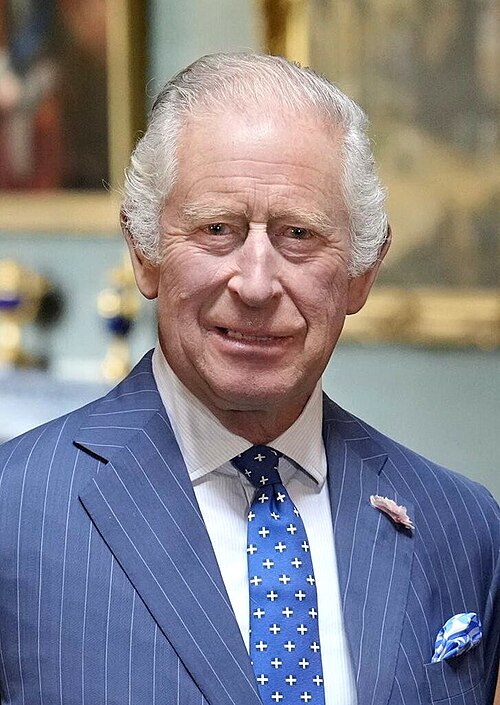
King Charles Faces Crisis: Is the Monarchy Losing Its Centrality?
The British monarchy, a venerable institution steeped in centuries of tradition, finds itself at a pivotal crossroads under the reign of
Re Carlo. Having ascended the throne following the historic reign of his mother, Queen Elizabeth II, King Charles III has inherited not just a crown, but a series of interconnected challenges that are testing the very core and public perception of the Royal Family. From deeply personal health crises to lingering scandals and unprecedented media decisions, the question looms large: is the monarchy, under
Re Carlo, struggling to maintain its cherished centrality in national life and on the world stage?
The Royal Family's Unprecedented Turmoil
The current period for the British Crown is arguably one of its most turbulent in modern history. A significant part of this turmoil stems from a series of highly personal and public challenges. The announcements of both King Charles and Catherine, Princess of Wales, battling cancer have cast a somber shadow over Buckingham Palace, igniting widespread public sympathy but also raising concerns about the operational capacity of the core working royals. These health battles come at a time when the "Firm" is already under immense strain.
Compounding these issues are the ongoing reverberations from Prince Harry's highly publicized departure and subsequent revelations. His critiques, aired in interviews and memoirs, have laid bare internal family dynamics and painted a picture of an institution struggling to adapt to modern sensibilities. While the public remains fascinated, the continuous cycle of scrutiny can erode trust and create an image of internal discord rather than steadfast unity.
Furthermore, the lingering scandal involving Prince Andrew continues to be a dark cloud. His association with convicted sex offender Jeffrey Epstein and the subsequent legal entanglements have significantly damaged the monarchy's reputation for probity and public service. These multifaceted issues, ranging from illness to scandal and estrangement, present
Re Carlo with an unparalleled challenge: how to project an image of stability and continuity when the very foundations appear to be shaking. The emotional toll on the individuals involved is immense, and the challenge for the institution is to navigate these private sorrows and public controversies while upholding its duty and public trust.
The Commonwealth Day Controversy: A Bellwether of Change
Perhaps one of the most striking indicators of the monarchy's shifting landscape came with the BBC's decision regarding Commonwealth Day. For the first time in 37 years, the traditional live broadcast of the Commonwealth Day service from Westminster Abbey was cancelled, replaced instead by a scheduled episode of "Escape to the Country." This move, explained by the BBC as a consequence of "difficult choices" driven by funding challenges, sent ripples of concern through royal commentators and the public alike.
The symbolic weight of this cancellation cannot be overstated. Commonwealth Day is a cornerstone event, celebrating the enduring connections between the UK and its former colonies. It serves as a visible demonstration of the monarchy's global reach and its continuing role as Head of the Commonwealth, a position of immense personal importance to
Re Carlo, following in his mother's footsteps. Stripping this event of its live broadcast prominence suggests a perceived diminishing public interest or, more worryingly, a declining importance of the monarchy in the national narrative from the perspective of a major public broadcaster.
Royal experts were quick to voice their dismay. Ingrid Seward described the decision as "ridiculous and frightening," fearing that if even the public broadcaster no longer deems the event worthy of live coverage, the Commonwealth institution itself risks losing its relevance. Historian Tessa Dunlop echoed this sentiment, calling it a "warning sign" that "things are no longer as they were."
While the event still saw attendance from
Re Carlo, Queen Camilla, and the Prince and Princess of Wales, the absence of live television coverage signals a significant shift. It raises questions about the future of traditional royal events and their place in the media landscape. Is it merely a budgetary decision, or does it reflect a deeper cultural shift where the monarchy's once unassailable prominence in public life is being re-evaluated? This moment highlights the monarchy's increasing reliance on media visibility to maintain its relevance, and how easily that can be curtailed. For more on this pivotal moment, read
King Charles' Monarchy Chaos: 37-Year Tradition Ends.
Prince Andrew's Lingering Shadow and the Shrinking Monarchy
The integrity and public image of the "Firm" continue to be severely tested by the ongoing implications of Prince Andrew's association with Jeffrey Epstein. Despite efforts to distance him from royal duties, the shadow cast by the scandal remains profound, impacting the monarchy's reputation for moral uprightness and accountability. Details emerging from the past continue to resurface, creating persistent public relations challenges that Buckingham Palace finds difficult to shake off. The decision of Princess Eugenie, Andrew's daughter, to step down from a charity due to these connections, underscores the ripple effect of his actions across the wider Royal Family.
The internal family dynamics surrounding Andrew are equally strained. Reports of Prince Andrew allegedly pleading for forgiveness from Prince William during family gatherings highlight deep-seated rifts. William, in particular, has been portrayed as unyielding in his stance, reportedly advocating for Andrew's complete removal from the line of succession as early as 2025. This firm approach from the future king signals a strong desire to protect the institution's credibility, even if it means taking difficult decisions about family members.
This situation perfectly illustrates a broader trend: the monarchy under
Re Carlo appears to be "shrinking," not just by external forces like the BBC's budget cuts, but by internal necessity. There's an impelling need to distance the core institution from members whose actions have demonstrably damaged its reputation. This process of contraction involves not only reducing the number of working royals but also setting clear boundaries and consequences for those who fail to uphold the required standards of conduct. It's a challenging balancing act for
Re Carlo, who must navigate family loyalties with the imperative to safeguard the monarchy's future relevance and public esteem. This involves difficult choices about who represents the Crown and how its public image is maintained in an era of intense scrutiny.
Navigating the Future: Can Re Carlo Reassert Centrality?
The myriad challenges facing
Re Carlo's monarchy—health crises, familial discord, and diminishing media presence—present a critical juncture for an institution that thrives on stability and tradition. The question of whether the monarchy can reassert its centrality is not merely rhetorical; it speaks to its very survival and continued relevance in a rapidly changing world.
For
Re Carlo to lead the monarchy effectively into the future, several strategic shifts and adaptations may be necessary:
1. **Streamlining Operations:** The concept of a "slimmed-down monarchy" has been discussed for years, but recent events underscore its necessity. Focusing resources and public visibility on a core group of working royals who embody dedication and professionalism can help consolidate public image and reduce potential vulnerabilities. This means carefully selecting who represents the Crown and ensuring they meet the highest standards.
2. **Focus on Core Duties and Charitable Work:** The monarchy's enduring strength lies in its ability to unite people and champion important causes. Emphasizing its apolitical role, its commitment to public service, and its extensive patronage of charities can reinforce its value. By actively engaging with communities and highlighting the positive impact of its work, the Royal Family can demonstrate tangible benefits to society.
3. **Modernizing Communication with Dignity:** While tradition is key, the monarchy must also engage effectively with modern communication channels. This doesn't mean chasing fleeting trends, but rather adopting a strategic, transparent, and authentic approach to sharing information and connecting with the public, particularly younger generations. The balance lies in being accessible without sacrificing mystique.
4. **Embracing Relatability without Losing Mystique:** The public appreciates authenticity and empathy. While the monarchy operates on a different plane, moments of shared humanity, particularly during times of national grief or celebration, resonate deeply. King Charles and other senior royals can foster this connection by allowing glimpses of their personal commitment and compassion, while carefully preserving the unique dignity and symbolism of their roles.
5. **The Importance of Future Generations:** The success of the monarchy's future centrality largely rests on the shoulders of Prince William and Catherine, Princess of Wales. Their ability to connect with the public, uphold royal values, and adapt to modern expectations will be crucial in ensuring a seamless transition and continued public support for the institution. Their approach to technology, mental health advocacy, and environmental causes shows a forward-thinking vision.
The BBC's decision, while financially justified by the broadcaster, serves as a wake-up call, emphasizing that the monarchy's cultural prominence is not guaranteed and requires active cultivation and adaptation. As
Re Carlo navigates these turbulent waters, the path forward demands a delicate balance of preserving cherished traditions while embracing necessary evolution. The conversation about the monarchy's place is certainly far from over. Dive deeper into the discussions surrounding this shift with
British Monarchy: BBC Snub Ignites Royal Future Debate.
In conclusion,
Re Carlo's reign began with the immense task of following one of history's most beloved monarchs, and it has quickly been defined by an unprecedented convergence of personal and institutional crises. From health scares within the immediate family to the enduring shadow of past scandals and the symbolic withdrawal of mainstream media support, the British monarchy is undoubtedly facing a moment of profound introspection. The question of whether it is losing its centrality is being answered daily, not just by public opinion polls, but by the very fabric of national life and the choices made within Buckingham Palace. The future relevance of the Crown hinges on
Re Carlo's ability to steer the institution through these challenges, demonstrating both resilience and an astute understanding of what it means to be a modern monarch.